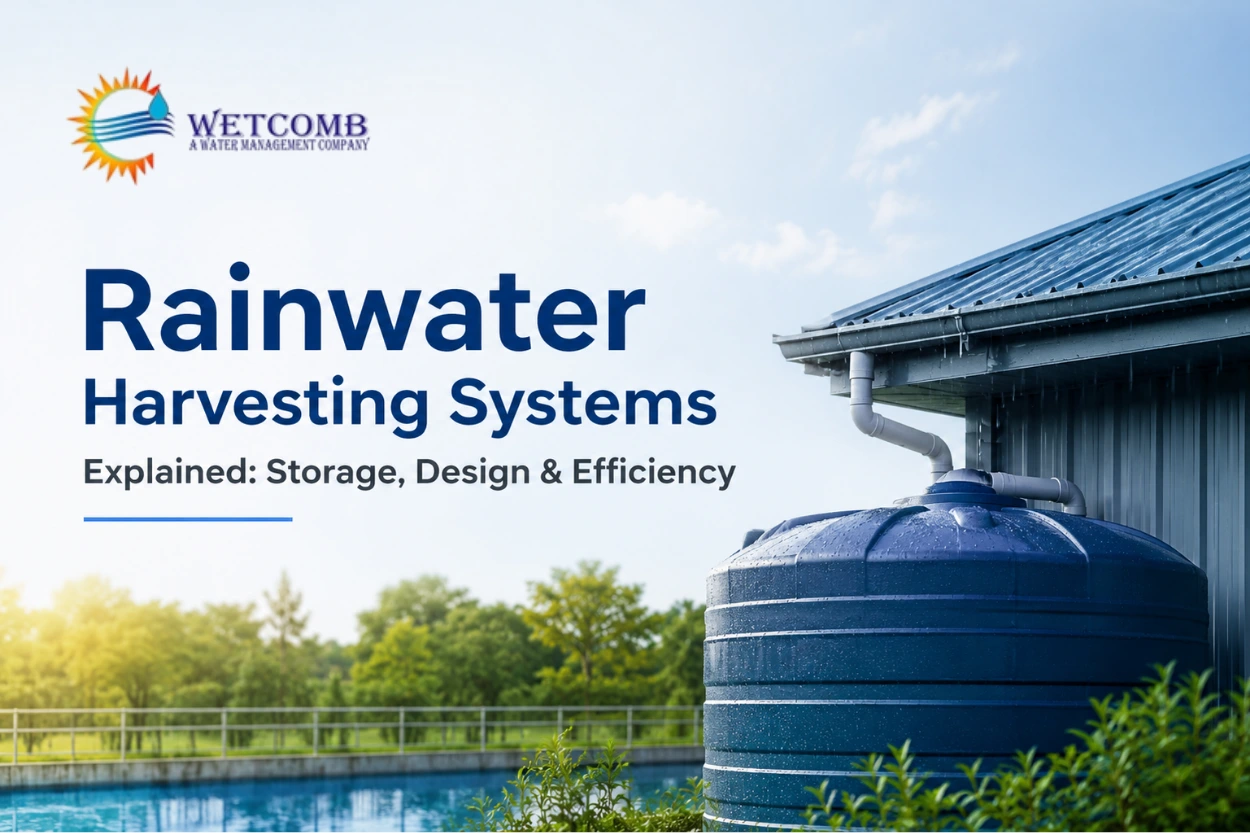
Rainwater Harvesting Systems Explained: Storage, Design & Efficiency
Why More Businesses Are Investing in Rainwater Harvesting
Water has become one of the most essential resources for businesses of all kinds. Be it a manufacturing unit, warehouse, farm, commercial premises, educational or industrial facility; you will always need a continuous source of water to manage your daily operations.
But high water prices, decrease in groundwater level and unpredictable rainfall are making water management more complex. For this reason, a lot of companies are actively investing in rain water harvesting tanks to store rainwater that would have gone down the drain.
Rainwater can be a reliable source of irrigation, cleaning, industrial processes, landscaping and other non-potable uses if you have the correct storage infrastructure.
What Is A Rain Water Harvesting System?
It is a system that collects rainwater from roofs, pavements, and open catchment areas and stores these in tanks and other reservoirs for future use.
This system does not allow rainwater to flow away via drains. Instead, it redirects the water towards some specially designed storage spaces.
For businesses with large roof areas or open land, even a single rainy season can produce a large amount of reusable water.
Efficient rainwater collection methods helps convert seasonal rainfall into a highly beneficial asset that supports operations throughout the year.
Water Storage: The Most Important Component
Most of the people focus on collecting rainwater but completely ignore the importance of its storage.
The actual truth is that if you cannot store the water in an efficient manner, you cannot enjoy the benefits of harvesting it.
This is the reason why choosing the right rainwater storage tanks is one of the most important decisions to make for your project.
Any storage system must be able to:
- Hold large volumes of water
- Prevent leakage and seepage
- Maintain high-end water quality
- Withstand harsh weather conditions
- Require low maintenance
A properly designed storage tank ensures that collected rainwater is available for a considerable amount of time even after the rainy season ends.
How Much Storage Capacity Do You Need?
Some of the most commonly asked questions by buyers are:
What should be the size of my tank?
The answer depends on three important elements:
Annual Rainfall
You can capture a large volume of water in areas that receive a higher amount of rainfall.
Catchment Area
If your roof area or collection surface is larger in size, more water can be collected and stored.
Water Consumption
Depending upon the water usage, you can decide the storage capacity you need.
For instance, an industrial facility that utilizes water for cleaning, cooling, or processing will require a larger storage system in comparison to a small commercial building.
Planning is essential before choosing a storage infrastructure and this is exactly why we need professionals.
Why Geo Tanks Are Becoming a Preferred Choice
Traditional concrete structures often require higher construction costs and longer installation times.
Many businesses are now looking for geo-lined storage systems because of their ability to provide a practical and future scalable option.
A geo tank uses specially crafted liners and storage systems to create large-capacity reservoirs.
Compared to conventional storage methods, geo tanks offer:
- Faster installation
- Large storage capacity
- Reduced water loss
- Lower construction costs
- Easy scalability
- Long service life
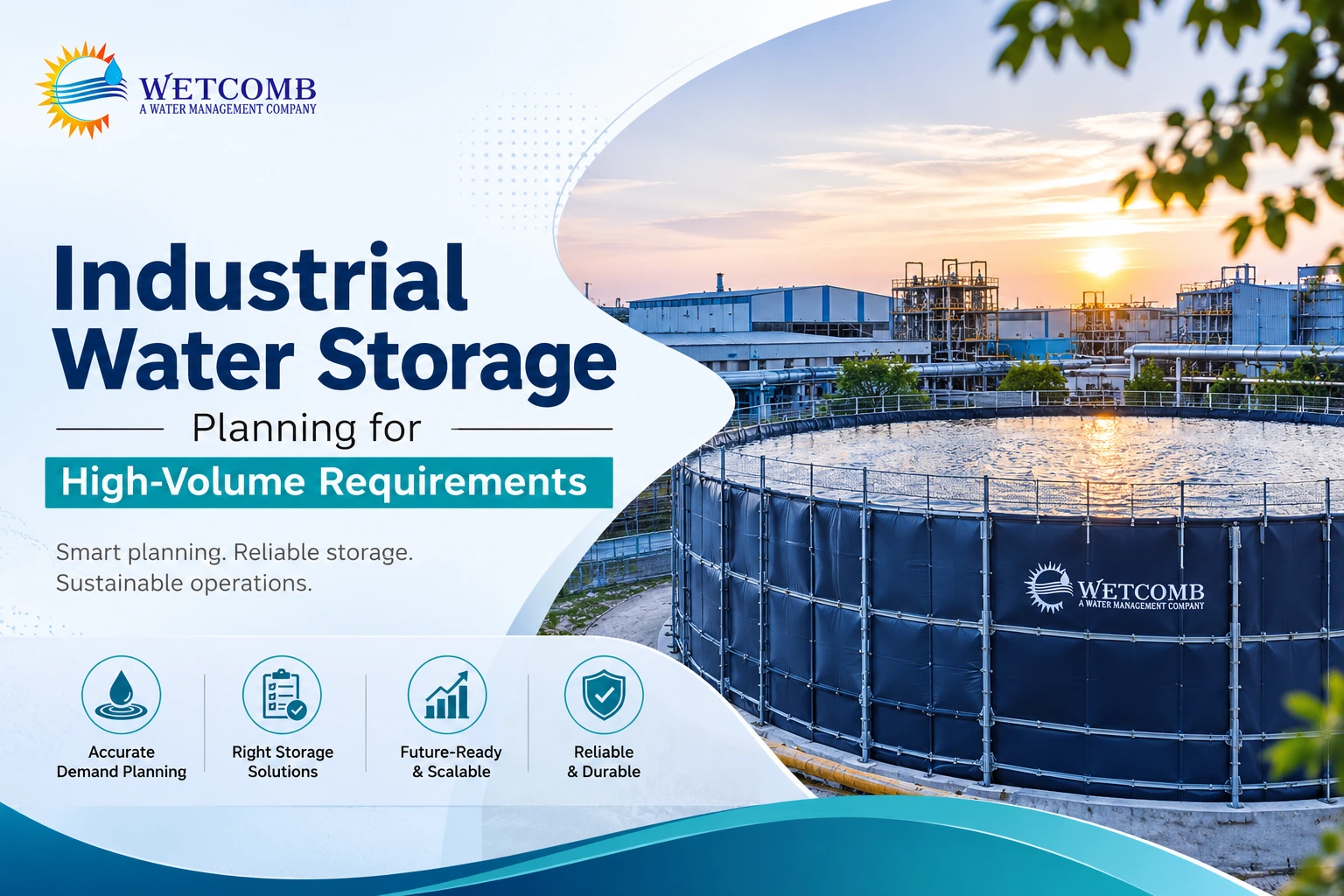
For large scale rainwater harvesting projects, geo tanks provide an efficient way to store large quantities of water.
Working with an experienced Geo Tank Manufacturer also ensures that the storage system is created as per the installation site conditions and operational requirements.
Design Factors That Affect Efficiency
Not all rainwater harvesting systems deliver the same results.
The efficiency of the system depends on how well it is designed from the beginning.
Some important factors include:
Collection Surface Design
A properly designed catchment area improves water collection efficiency.
Filtration System
Filters remove debris and improve the quality of stored water.
Storage Infrastructure
Reliable water storage solutions prevent water loss and maximize the usable volume of harvested water.
Maintenance Planning
Simple maintenance practices help ensure long-term system performance.
Businesses must invest in time and money in proper planning to achieve better returns from their water harvesting systems.
Long-Term Business Benefits
The significance of rainwater harvesting is not just about environmental responsibility but also related to delivering practical business benefits.
These include:
Lower Water Costs
Collected rainwater reduces your dependency over purchased water.
Improved Water Security
During water shortages and supply disruptions, the available stored water can be used.
Sustainability Goals
Many organizations use rainwater harvesting to showcase their environmental initiatives.
Better Resource Management
Businesses can easily control their water supply instead of depending upon external sources.
Choosing the Right Partner
A successful rainwater harvesting project depends on so many things other than just selecting a tank. Multiple important factors like proper planning, storage design, liner quality, installation standards, and long-term support, contribute a lot towards the success of your project.
Before investing, buyers should evaluate:
- Storage capacity requirements
- Site conditions
- Future expansion plans
- Water usage patterns
- Maintenance requirements
This ensures the selected system continues delivering value for years to come.
Conclusion
Rainwater harvesting is therefore a step towards sustainable development, presented as a solution that can be operationally implemented both to lower the water costs or simply increase water accessibility. The secret to success is having an efficient rainwater collection system as well as dependable storage infrastructure.
Regardless of whether you are constructing a new development or upgrading your facilities, investing in quality water storage tanks and pairing it with an experienced supplier can go a long way while delivering top-notch performance. Wetcomb is a reliable name known to all for advanced storage systems. The experienced team at wetcomb is highly capable to assist businesses with practical rainwater harvesting solutions that are both effective and long-lasting, and achieve sustained water security.