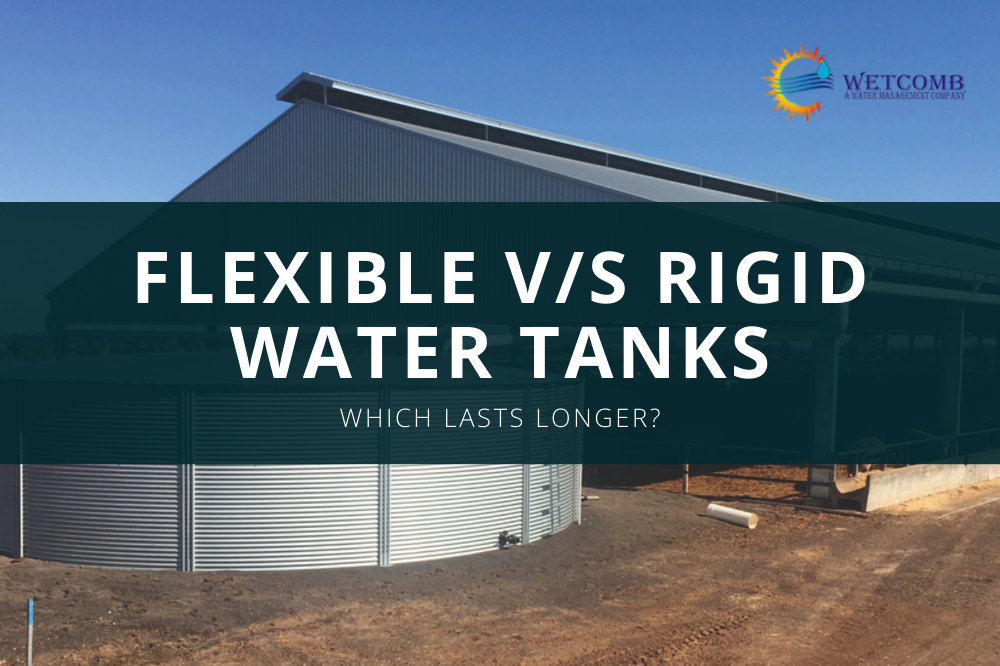
Flexible v/s Rigid Water Tanks: Which Lasts Longer?
Choosing between a flexible and rigid water tank is an important decision for people in homes, farms and businesses. Both tank types serve the same function, storing water safely, but in different ways and have unequal lifespans. If you know which kind lasts longer, then you can definitely make an enlightened investment.
This guide compares flexible and rigid tanks in terms of durability, maintenance procedures and real-life performance so that you can choose the most long lasting water tanks of all.
Understanding Water Tank Types
Traditional rigid water tanks are made from materials such as polyethylene plastics, fiberglass, concrete, or steel. Empty or full, they will always retain their shape and have been in use for decades.
Flexible water tanks, also known as bladder-type water tanks, are normally constructed from reinforced fabric material like PVC or TPU. When empty, they can be folded up and put away in a very small space.
Lifespan Comparison: The Numbers
Rigid Tank Lifespan varies widely for different materials. High quality polyethylene rigid tanks usually last 15-25 years, if properly maintained. Fiberglass tanks can last 30-50 years, whereas concrete tanks are good for at least 50 years. Steel tanks normally just outlast their warranty period of 10-20 years unless they’re treated with special care.
Flexible tanks made up of good material will last for an average of 10-20 years or more depending on how they are used and whether proper maintenance is conducted. The best flexible tanks use multi-layer reinforced fabrics with UV protection, extending their working life significantly.
The Durability of Their Material: Stress Handling
When it comes to constant pressure and weight, rigid tanks do an admirable job. They prevent material fatigue from repeated contraction and expansion. High quality ones resist cracking in extreme temperatures while cheaper models may develop fractures.
Flexible tanks are designed in a way to easily manage multiple contractions and expansions. Their fabric handles temperature variations very well without piling up internal stress. They require proper handling and ground preparations to avoid punctures.
For potable water storage tanks specifically, both of these types can be made from food-grade materials to maintain water quality without leaching chemicals.
Environmental Factors and Longevity
UV exposure is the major cause of longevity loss in water tanks. As a way to safeguard against these radiations, UV stabilizers are added into the tank material during the manufacturing process. Without this, after being exposed to sunshine for too long, the particles will become fragile and break apart entirely. The dark-coloured ones last longer because they block more UV rays.
Flexible tanks usually have a UV-resistant layer over them. Due to their portable nature, they can be covered or stored when not in use, thereby reducing the light degradation. Different weather conditions impact each type of tank differently. At very low temperature, water converts into ice resulting in cracking of rigid tanks. On the other hand, flexible tanks are covered with a layer of scratch-proof fabric which protects them from frost.
Maintenance Requirements
Maintenance is directly related to the lifespan of a tank. Rigid tanks need annual inspection for cracks, leaks, and overall structure. An inside wash helps prevent sediment buildup and algae growth. Keep an eye on fittings, valves, and seals.
Flexible tanks need to be given a careful check before each deployment. Watch for punctures, worn seams, and weakened fabric which might indicate a need for repair. Clean thoroughly between uses and store properly when not needed. The fabric should be absolutely dry before storing, or mold will grow upon it.
Maintenance is crucial for both types in extending the life of a tank. Neglected tanks will only last about 10 years, while well-maintained ones can manage over 25 years.
Significant impact of installation on durability
Rigid tanks need to have a perfect level and stable foundation. Stress points due to uneven ground leads to frequent cracks. The foundation must be able to carry the entire weight of the tank when completely filled.
Flexible tanks require careful ground work but are more forgiving when it comes to land. Take out sharp rocks, sticks, and trash that could tear the fabric. Many people use flexible tanks in sand beds or protective liners. The geomembrane tank design presents a suitable solution for ground contact issues with a strong bottom layer.
Poor installation is the greatest cause of premature failure in either type of tank.
Analysis of Cost vs. Life
Affordable water storage tanks are usually made from rigid plastics. Although the initial cost is higher than flexible tanks, they can easily acquire a long lifespan of around 20-25 years, thereby providing a clear justification.
When one considers durability, flexible tanks are the low-cost choice. This type of tank is suitable for any kind of environment, including oil refineries, building projects and emergency backups.
Real Life Performance over Time
Rigid tanks, when installed properly, can even exceed the life span that they are expected to have. If kept clean and out of the sun, polyethylene tanks will last for a minimum of 30 years.
Flexible tanks can handle strain very well and yield around 15-20 years of payback. They can be repeatedly used in this time span.
Making the Right Decision for Longevity
Select rigid tanks for better volume and permanent installation.
Select flexible tanks for easy movement and temporary storage. The Geo membrane tank design takes care of the problems faced due to direct ground contact with the help of specially woven layers on the bottom.
Prefer buying from reliable manufacturers who use good materials, give clear guidelines for maintenance and offer long-term guarantees.
Extend Tank Life Through Proper Care
Both types of tank last longer with regular maintenance. It is important to keep them clean and check them regularly. Dry out the rigid tanks properly before you store them. Check for and replace worn parts.
Use protective linings for flexible tanks and tank covers for rigid tanks to reduce the danger of ultraviolet damage.
Conclusion and Future Plans
Both flexible tanks and rigid tanks provide long-term storage if they are chosen appropriately and kept in good condition. Rigid tanks are generally better permanent installations, often bringing 20-25+ years support, as compared to the 10-20 year lifetime of flexible ones. However, which one is best depends on your specific needs and how frequently it will be used.
Wetcomb provides expert advice for how to choose the right water storage solution for your business. Whether you need a rigid tank that offers long-term protection from the changing seasons or just something flexible, we help you to look for products with great longevity.
Want to know more about how to maximize tank life? See our Water Tank Durability guide for some tips on maintenance and some ideas which will help you get good service from your money.