Geo Membrane Tanks vs. Traditional Tanks: A Cost and Performance Analysis
Water storage is a significant requirement for homes, industries and agriculture. As the demand for reliable water storage solutions increases, the debate between traditional tanks and modern Geo membrane tanks has become increasingly important. Wetcomb, a reliable provider of water storage solutions, is helping businesses and communities to make informed decisions when it comes to storage of potable water. In this article, we detect the major differences, benefits and costs associated with the Geo membrane tank compared to traditional tanks, which helps you choose the best option for your needs.
Understanding Geo Membrane Tanks
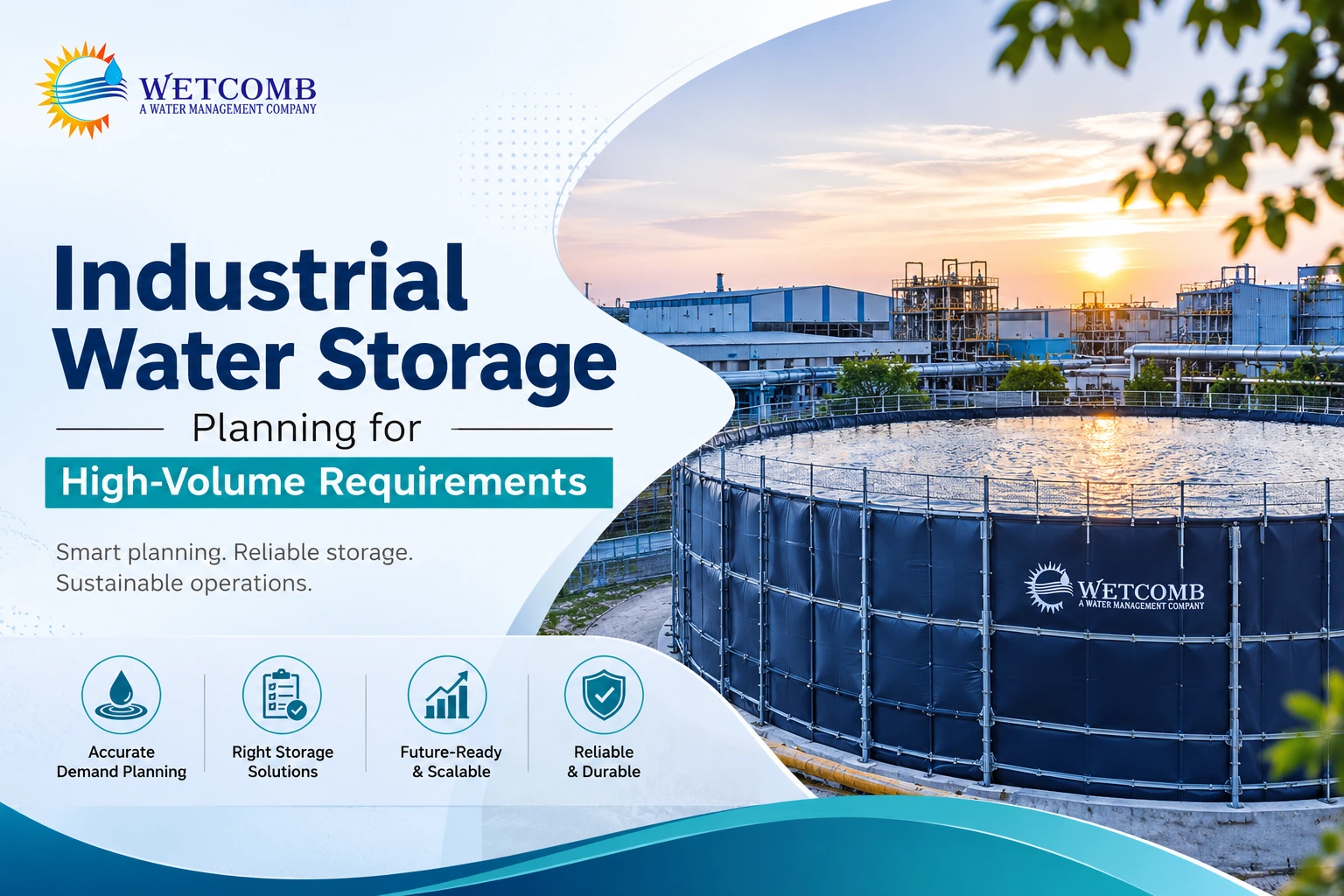
GEO membrane tanks are lightweight and flexible tanks made of high density polyethylene (HDPE) and reinforced with woven fabric. They are constructed to store water safely, and they are an everyday option to traditional steel, concrete, or plastic tanks.
One of the standout characteristics of the Geo membrane tank is its versatility. They can be used for potable water storage, rainwater harvesting, irrigation and even industrial water control. Unlike rigid tanks, they can be adapted to different sizes according to the availability of space and storage requirements.
The unique structure of a Geo membrane tank includes a light steel woven exterior frame that supports the laminated HDPE internal lining. This design allows compact packing, easy transport and rapid installation. Additionally, an anti-alga cover can be fitted to prevent contamination, reduce evaporation and protect water stored from adverse weather conditions.
Traditional Tanks: An Overview
Traditional water tanks are usually made up of materials such as concrete, galvanized steel, fiberglass or high density plastic. These tanks are preferred options for decades and are widely used in residential, commercial and agricultural settings.
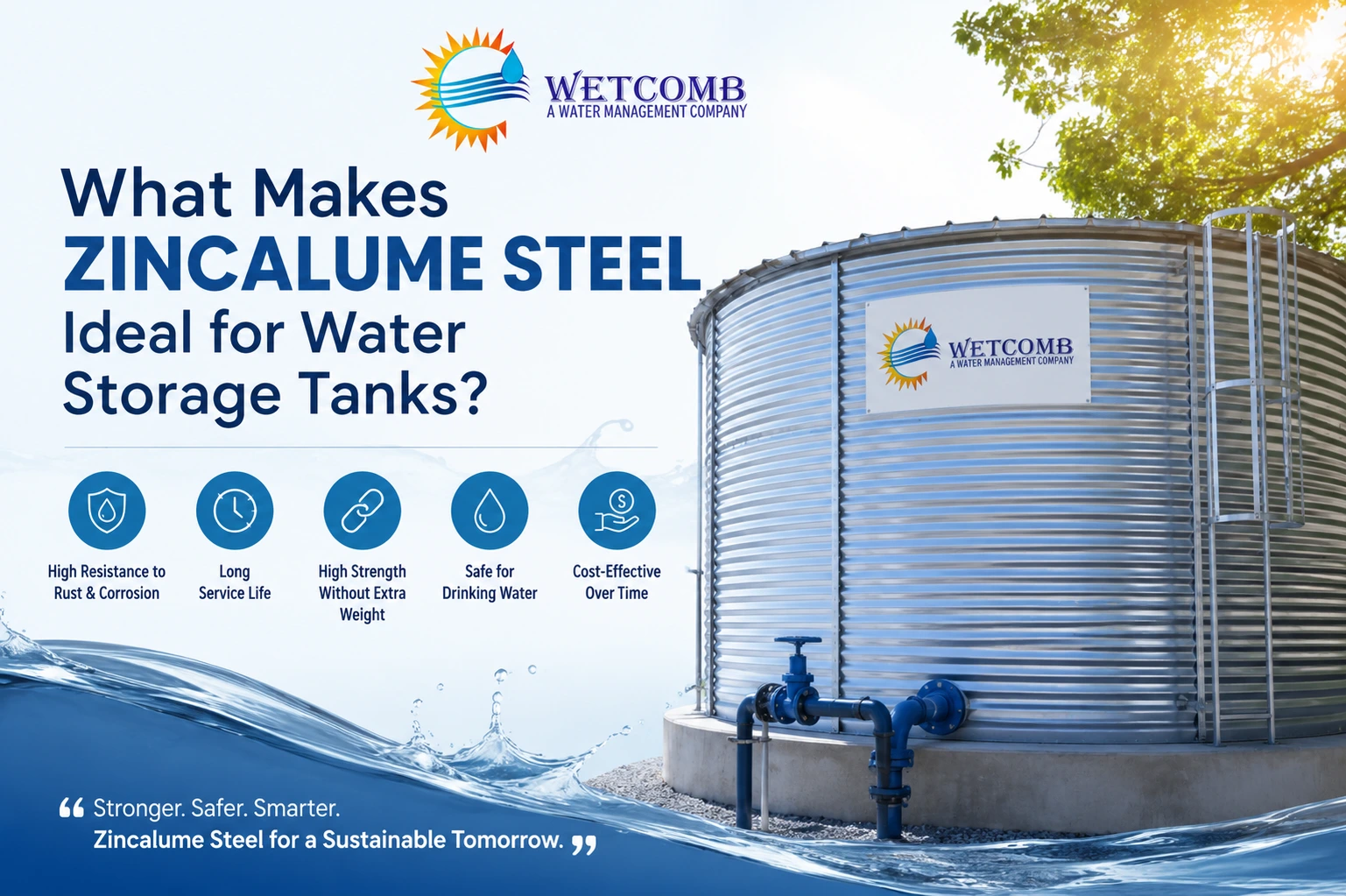
Concrete tanks are highly durable and can withstand extreme weather conditions, but they require efficient labor for installation, it takes longer to install, and is often expensive. On the other hand, steel tanks, compared to concrete tanks, are easier to transport and install, but are prone to corrosion over time, especially if exposed to rigorous environmental conditions. Plastic tanks are light, inexpensive and easy to maintain, but their capacity is limited, and even lowers with time due to UV exposure.
Cost Comparison: Geo Membrane Tanks vs Traditional Tanks
Cost is always one of the primary considerations in selecting a water storage solution. Initial costs and costs in the future (maintenance) all factor into the total value of the tank.
Geo Membrane Tanks
- Installation Cost: GEO membrane tanks are usually less expensive to install than larger concrete or steel tanks. Their mild design avoids the need for heavy machinery and broad foundation work.
- Maintenance Costs: These tanks require minimal maintenance. The interior lining resists chemical permeation, algae growth, and rust which substantially reduces the need for cleaning and repairs.
- Transportation Costs: The tank can be packaged in a compact form which will reduce the cost of transportation compared to traditional rigid tanks.
Traditional Tanks
- Installation cost: Concrete tanks and large steel tanks often require significant investment for foundation, welding and installation. Efficient labor is necessary, which can further increase the cost.
- Cost of maintenance: Steel tanks require regular painting and corrosion protection, while concrete tanks can develop cracks over time that need to be repaired. Plastic tanks, while low maintenance, UV protection and periodic inspection may be required.
- Transport Cost: Rigid tanks are heavy and bulkiers, making transportation more expensive in remote areas.
In summary, the total cost of ownership of Geo membrane tanks is low due to simple installation, minimal maintenance and ease of low transport expenses.
Performance Comparison
Performance is another important factor when evaluating water storage tanks. Here is some major region considered:
Durability and Lifespan
The GEO membrane tanks are made up of high quality HDPE lining and a reinforced external structure, providing excellent resistance to wear and tears, UV radiation and chemical reactions. With proper care, these tanks can last 15–20 years or longer.
Traditional tanks can also be durable, but their lifetime depends a lot on the material. If a concrete tank is well-maintained, it can last for many decades, while a steel tank will often begin to show signs of corrosion after 10 or 15 years of no maintenance. Plastic tanks usually have short life spans, particularly during long exposures to sunlight.
Flexibility and Capacity
One of the primary benefits of Geo membrane tanks is flexibility. They can be developed into almost any size relevant to the expectations of specific storage; from smaller farm tanks to large-area reservoirs. Traditional tanks are more limited to size and often require several units to achieve large capabilities.
Installation Time
The GEO membrane tank can be installed in a few hours or days depending on the size, while the concrete tank may take weeks to recover, and the steel tank requires welding and assembly. This makes the Geo membrane tank ideal for immediate water storage requirements or temporary projects.
Water Quality
The internal lining of a Geo membrane tank is both food-grade and environmentally safe, which makes it an ideal storage option for potable water. Traditional composite tanks may require additional treatment options to ensure water safety, and steel or concrete tanks often have a risk of corrosion or leaching.
Environmental Impact
The Geo membrane tank has a small environmental footprint because they require low construction materials and energy to install. They are also reusable and recyclable. Traditional tanks, especially concrete, include important material extraction and energy-intensive construction.
Applications of Geo Membrane Tanks
Geo membrane tanks are highly versatile and can be used in a variety of settings:
- Potable water storage tanks: Safe for drinking water due to their food-grade lining.
- Irrigation Tank: Ensuring ideal, efficient water management for agricultural use.
- Rainwater harvesting: Can be installed in residential and commercial setup for permanent water use.
- Industrial application: The process is suitable for storing water or other non-forest fluids.
- Emergency water supply: Portable and quick to deploy to disaster management or temporary sites.
Traditional tanks are used in similar scenarios, but mass applications may require more maintenance and planning.
Advantages of Geo Membrane Tanks
- Cost-effects: The low cost of installation and maintenance makes them ideal for both small scale and mass applications.
- Quick to install: Flexible and light which reduces time and labor costs.
- Durability and safety: Resistant to corrosion and resistant to algae and UV damage for potable water storage.
- Customisable: Can be made to almost any size, shape and location.
- Environmental friendly: Use of low content and reinvigible components reduce environmental effects.
Choosing Between Geo Membrane Tanks and Traditional Tanks
Decision between Geo Membrane tank and traditional tank depends on many factors:
- Budget: The advancement and maintenance cost of Geo membrane tanks is generally low.
- Availability of Location: Geo Membrane tanks can also fit in unconventional places due to their flexibility.
- Objective: For potable water storage or rainwater harvesting, Geo membrane tanks are highly recommended.
- Longevity: If highly long-term storage is priority without replacement, concrete tanks can be considered.
- Installation timeline: When a rapid deployment is required, Geo membrane tanks have a clear advantage.
Conclusion
Geo membrane tanks represent a modern, efficient and cost-effective option for traditional water storage solutions. With the advantages such as low installation costs, minimum maintenance, flexibility in size and storage of safe potable water, they have soon become a favorite option for residential, agricultural and industrial applications. Though conventional tanks remain acceptable, recognizing total long-term stability; it is the advantages of potable water storage tanks in performance, price, and environmental aspects that makes them the preferred option for many water storage projects.
By examining your storage needs and understanding the comparative benefits of a Geo membrane Tank, you can make an informed decision to give you reliability and value. If you are looking for workable Geo membrane tanks or high quality potable storage tank solutions, our experienced professionals at Wetcomb can supply you with workable, reliable, durable and flexible solutions to meet your various water management needs.